


-

Add: HeBei ShengShi HongBang Cellulose Technology CO.,LTD.
-

Email
13180486930@163.com -

CONTACT US
+86 13180486930
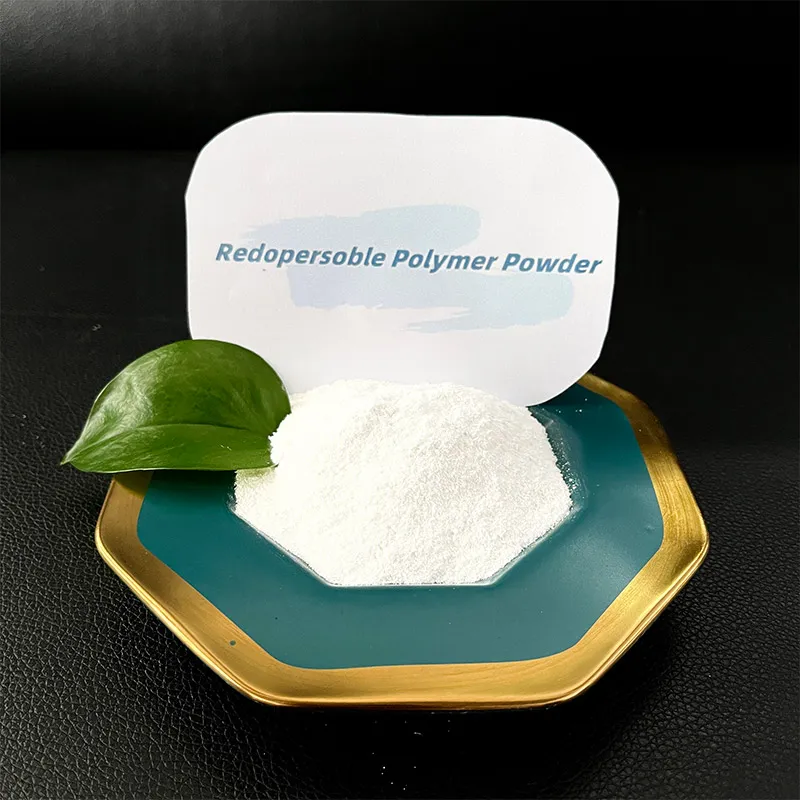

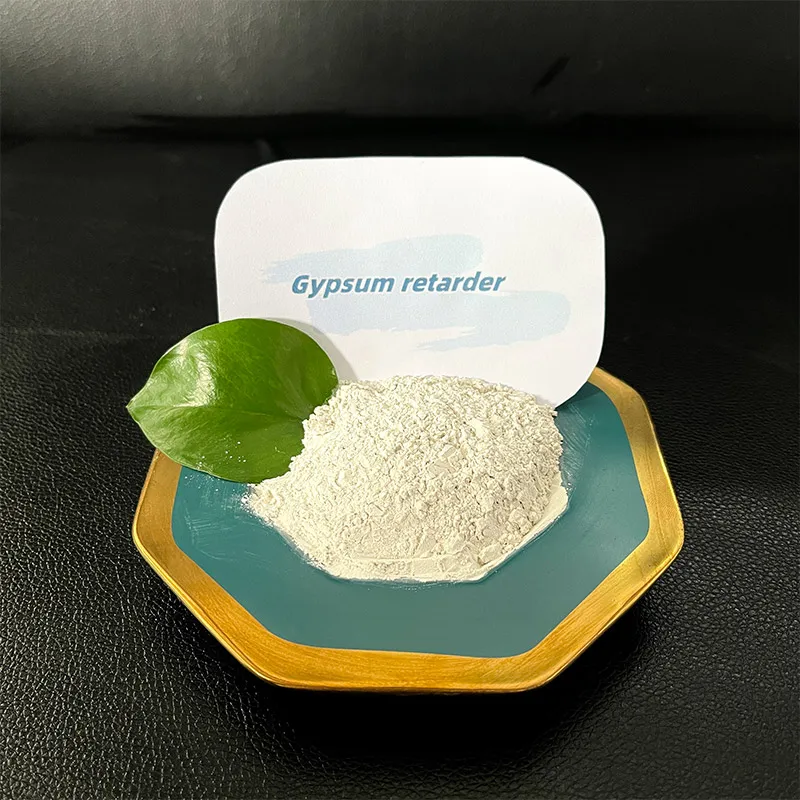
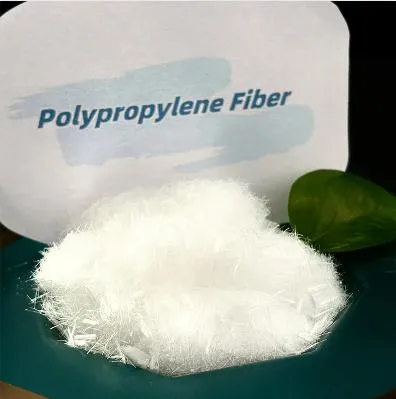
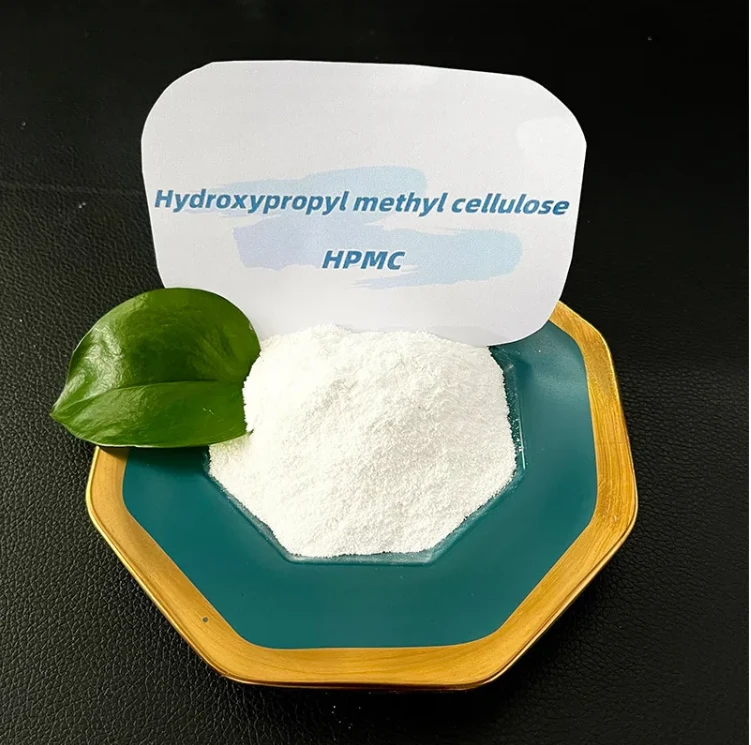


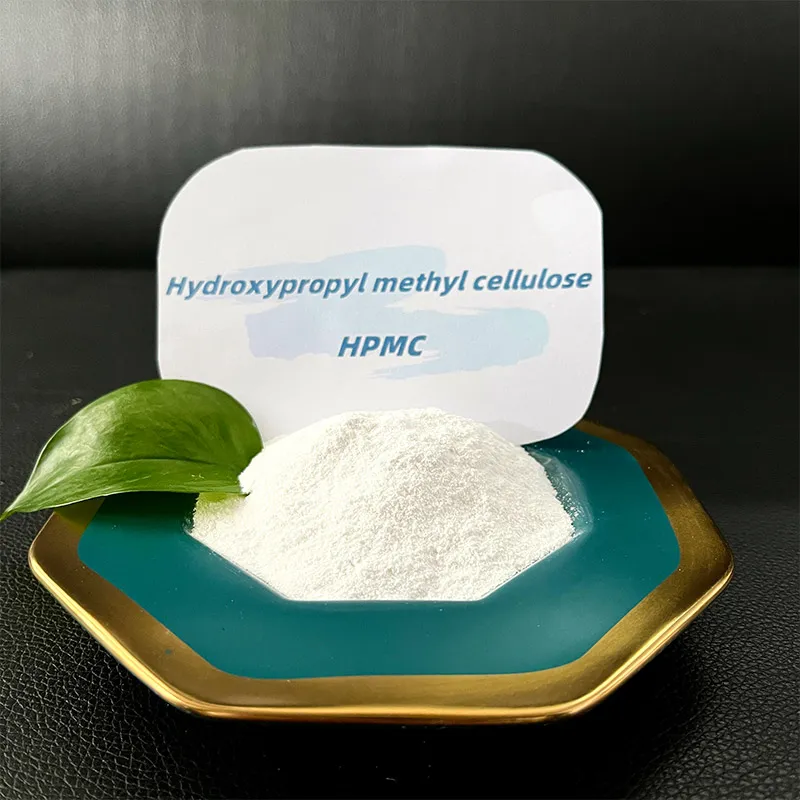
What I’m Seeing in Hydroxypropyl Methyl Cellulose Right Now If you work in dry-mix mortars, pharma tablets, or even detergent pods, you’ve probably bumped into Hydroxypropyl Methyl Cellulose HPMC more than once. It’s a non-ionic cellulose ether—yes, derived from natural cellulose—and it keeps getting more attention as the “quiet” performance enhancer in countless formulations. Honestly, adoption is accelerating across construction chemicals and high-viscosity personal care because of supply stability and cost-to-value. Many customers say the workability gains are immediate; I tend to agree. Origin and who’s behind it From HeBei ShengShi HongBang Cellulose Technology CO., LTD (Room 1904, Building B, Wanda Office Building, JiaoYu Road, Xinji City, Hebei Province). I’ve toured similar facilities; the process is rigorous and surprisingly clean. Their pitch is consistent rheology, tight particle size control, and fast redispersion in cement-alkali environments. How it’s made (short version, no fluff) Materials: refined cotton, NaOH (alkalization), methyl chloride (MC), propylene oxide (PO), purified water. Method flow: alkalization → etherification (MC+PO) → neutralization → washing to remove salts → drying → milling → sieving → packaging. QA/testing: viscosity (Brookfield, 2% w/w, 20°C), methoxyl/hydroxypropyl content, moisture, pH, ash, sieve residue, gel temperature. Service life: ≈24 months in dry, sealed bags; avoid >30°C and humidity. Real-world use may vary. Industries: tile adhesive, EIFS/ETICS, gypsum putty, self-leveling; tablets (binder), ophthalmics, toothpaste; shampoos, detergents, coatings. Product specifications (typical) Parameter Spec (≈) Viscosity (2% w/w, 20°C) 400–200,000 mPa·s (multiple grades) Methoxyl (DS) 19–24% Hydroxypropyl (MS) 4–12% Moisture ≤5% pH (1% sol.) 6.0–8.5 Gel temperature 60–75°C Sieve residue (100 mesh) ≤1% Bulk density 0.30–0.50 g/cm³ Note: measured by Brookfield LV, spindle/time per internal SOP; actual plant results vary with salts and mixing energy. Why formulators pick it Water retention and open time in cement systems (EN 12004 tile standards). Anti-sag, better trowelability; smoother edges on putties. Tablet binding/film formation meeting USP/Ph. Eur. monographs. Electrolyte tolerance; stable viscosity in laundry detergents—surprisingly robust. Vendor snapshot (what buyers compare) Vendor Certs Strength Viscosity Range MOQ HeBei ShengShi HongBang ISO 9001; REACH prereg. Construction focus; cost-value 400–200,000 ≈1 MT Dow (METHOCEL) ISO, GMP sites Global supply, pharma grades Low to ultra-high Varies Ashland (Benecel) ISO, EXCiPACT Tablets, coatings uniformity Wide Varies Applications and quick data Tile adhesive: +0.2–0.35% Hydroxypropyl Methyl Cellulose HPMC → open time +10–15 min; slip ≤0.5 mm (EN 12004). Self-leveling: 0.05–0.1% improves edge cohesion; flow per ASTM C1437: 115–130% with stable ring. Gypsum putty: 0.2–0.3% → sag drop by ≈30%, smoother knife feel (shop-floor feedback). Tablets: 2–5% binder; disintegration tuned via viscosity grade (USP-NF compliant grades available). Customization and QC For Hydroxypropyl Methyl Cellulose HPMC , you can specify viscosity windows, substitution ratios, surface treatment for fast wetting, and targeted gel temp. Batch COAs usually list Brookfield data, moisture, mesh residue, and heavy metals when applicable. Incoming QC on your side? I’d validate viscosity at your ionic strength, not just DI water. Mini case studies Eastern EU tile factory: switched to 60,000 mPa·s grade; open time +12 min; consumer complaints on “grab” fell 40% in 2 months. Generic IR tablet line: replaced PVP with Hydroxypropyl Methyl Cellulose HPMC binder at 3%; friability down from 0.9% to 0.3% while keeping disintegration at 9–12 min. Standards and compliance Typical references: EN 12004 (tile adhesives), ASTM C1437 (flow), ISO 9001 for QMS, USP/Ph. Eur. Hypromellose monographs, plus REACH where required. To be honest, don’t skip pilot mixes; salts and fillers can nudge viscosity more than you expect. Citations ASTM C1437 – Standard Test Method for Flow of Hydraulic Cement Mortar. EN 12004 – Adhesives for tiles: Requirements, evaluation of conformity. USP–NF Monograph: Hypromellose (Hydroxypropyl Methylcellulose). ISO 9001:2015 – Quality Management Systems Requirements.
- 40000tons

Production
- 20+years

Experience
- 5000+㎡

Acreage

-
Hemp polypropylene is rapidly gaining traction in the materials industry as an innovative and sustainable alternative to traditional plastics. Over the past few years, the demand for eco-friendly materials has soared, making this composite material a highly sought-after product. Combining the strength and versatility of polypropylene with the ecological benefits of hemp, this innovative product is redefining expectations across various industries. Hemp, a variety of the Cannabis sativa plant species, has been used for centuries due to its robust fiber and minimal environmental impact. Its use in polypropylene composites is a cutting-edge application that positions it well in the sustainable plastics market. Polypropylene itself is a widely used plastic, valued for its lightweight, yet durable properties . When these two materials are combined, the resulting composite offers enhanced strength, decreased reliance on fossil fuels, and reduced carbon footprint. In real-world applications, hemp polypropylene demonstrates remarkable potential. It is gaining popularity in the automotive industry, where manufacturers are seeking lightweight, yet strong alternatives for car parts. By substituting traditional plastics with hemp polypropylene, companies can reduce vehicle weight, thus improving fuel efficiency and lowering emissions. This contributes to global efforts aimed at reducing the transportation sector's environmental impact. Moreover, the construction industry is exploring the use of hemp polypropylene in building materials. Its resilience and thermal insulation properties make it an attractive option for both interior and exterior applications. By incorporating such materials, builders can create more energy-efficient structures capable of withstanding harsh environmental conditions. From a production standpoint, the integration of hemp into polypropylene does not necessitate major adjustments in existing manufacturing processes. The fibers of hemp are easily mixed with polypropylene, creating a composite that retains the desirable properties of conventional plastics while enhancing its eco-friendliness. Additionally, hemp crops are low-maintenance and require fewer resources compared to other industrial crops, further minimizing production costs and environmental impact. hemp polypropylene In terms of reliability and authority, hemp polypropylene stands on firm ground. Industry experts acknowledge its potential, supported by exhaustive research and continuous innovation. Institutions across the globe are investing in the development of bio-composite materials, seeking to optimize their performance and widen their applications. As more companies adopt hemp polypropylene, it is finding robust support and validation through endorsements by leading environmental and materials science organizations. Trustworthiness is an essential attribute and hemp polypropylene is verified by rigorous testing to meet industry standards. Its performance in both laboratory and field settings consistently reflects its reliability. Certifications by independent entities further solidify its credibility, ensuring that products made from this material can withstand the rigors of everyday use. The rise of hemp polypropylene is also fueled by an increased awareness among consumers about sustainability. As ecological consciousness becomes mainstream, customers prioritize products that reflect responsible environmental stewardship. Brands that utilize hemp polypropylene demonstrate their commitment to reducing ecological impact, which resonates well with eco-minded consumer bases. Furthermore, advancements in technology are enhancing the potential of hemp polypropylene. Sophisticated processing techniques are enabling more precise tailoring of this material's properties to meet specific industry needs. Innovations such as improved fiber treatment methods and nano-scale composite structures are paving the way for even more applications and improved performance. In conclusion, hemp polypropylene is more than just an emerging sustainable alternative—it's a transformative material that embodies the synergy of innovation and environmental responsibility. Its applications across industries like automotive and construction underline its versatility and appeal. As an expert in this field, the continuous evolution and acceptance of hemp polypropylene point towards an exciting, sustainable future for both manufacturers and consumers alike. By choosing hemp polypropylene, industries gain not just an effective alternative, but a pioneering material that aligns with modern environmental imperatives and consumer expectations.
-
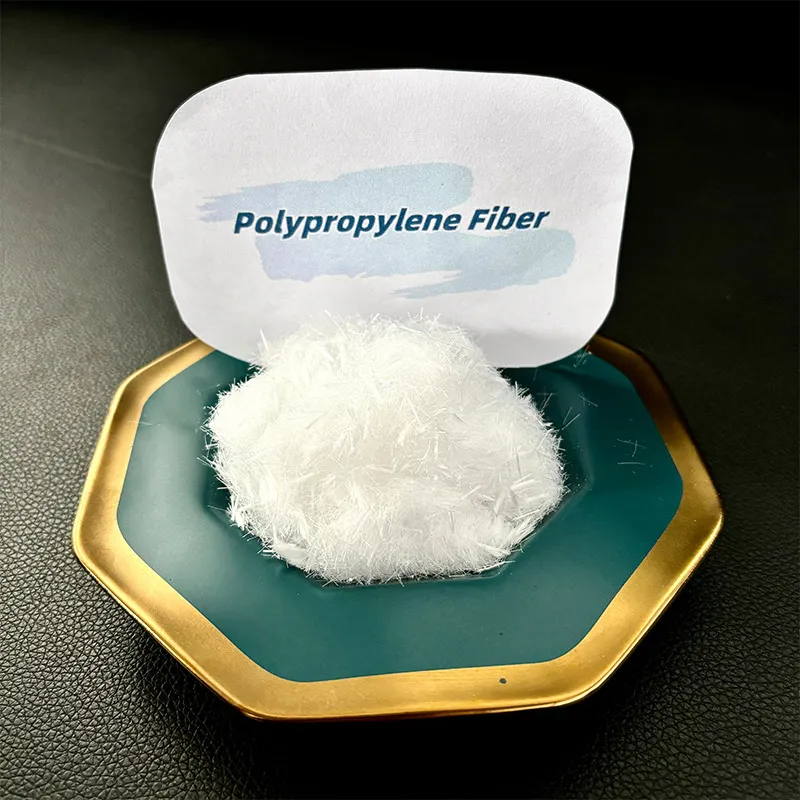
HPMC E464, auch bekannt als Hydroxypropylmethylcellulose, ist ein vielseitiges Produkt, das in verschiedenen Branchen auf der ganzen Welt breite Anwendung findet. Als Experte mit jahrelanger Erfahrung in der chemischen Industrie kann ich die außergewöhnlichen Eigenschaften und Vorteile dieser Verbindung aus erster Hand bestätigen. Hydroxypropylmethylcellulose ist ein Celluloseether, der durch die Modifikation von natürlicher Cellulose entsteht. Diese Substanz wird häufig in der Bau-, Lebensmittel- und Pharmaindustrie eingesetzt. Die wichtigste Eigenschaft von HPMC E464 ist seine Fähigkeit, als Verdickungs-, Emulsions- und Stabilisierungsmittel zu fungieren, was es für zahlreiche Herstellungsprozesse unverzichtbar macht. Ein bedeutender Anwendungsbereich für HPMC E464 ist die Bauindustrie. Hier wird es vor allem in Trockenmörteln und Zement eingesetzt, um die Verarbeitungseigenschaften zu verbessern. Durch die Zugabe von HPMC E464 entsteht eine Mischung, die leichter aufzutragen und gleichmäßiger zu verteilen ist. Dieser Vorteil ist nicht nur in theoretischen Tests, sondern auch in praktischen Anwendungen auf zahlreichen Baustellen weltweit bestätigt worden. Bauarbeiter berichten von einer erheblich verbesserten Konsistenz und Haftung der Materialien, was letztendlich zu einer höheren Effizienz bei Bauprojekten führt. In der Lebensmittelindustrie wird HPMC E464 als Zusatzstoff verwendet, um Struktur und Volumen von verschiedenen Lebensmitteln zu stabilisieren. Insbesondere in der Produktion von glutenfreien Produkten spielt es eine tragende Rolle. Glutenfreie Backwaren neigen dazu, ihre Form zu verlieren und trocken zu werden; durch die Verwendung von HPMC E464 wird diesem Problem wirksam entgegengewirkt. Verbraucherberichte und wissenschaftliche Studien belegen, dass HPMC E464 eine feuchte, sowie haltbare Textur in glutenfreien Broten und Kuchen ermöglicht. Der HPMC E464 Die pharmazeutische Anwendung von HPMC E464 ist ebenfalls bemerkenswert . Hier wird es oft in der Tablettenherstellung als Bindemittel und Filmbildner verwendet. Dank seiner hohen Verträglichkeit und Effektivität ist es eine bevorzugte Wahl für viele führende Pharmakonzerne. Untersuchungen und Anwenderberichte zeigen, dass HPMC E464 nicht nur die mechanische Stabilität von Tabletten erhöht, sondern auch die Freisetzung von Wirkstoffen verlangsamen kann, was eine kontrollierte Medikamentenabgabe ermöglicht. Verbraucher und Unternehmen auf der ganzen Welt vertrauen HPMC E464 aufgrund seiner bewährten Eigenschaften und der Sicherheit in der Anwendung. Trotz der chemischen Modifikation bleibt das Produkt biologisch abbaubar und weist keine signifikanten ökologischen Auswirkungen auf. Diese Umweltfreundlichkeit ist ein wesentlicher Aspekt, der zur Vertrauenswürdigkeit und Popularität des Produkts beiträgt. Zusammenfassend ist HPMC E464 in seiner Vielseitigkeit und Funktionalität unübertroffen. Es erfüllt die höchsten Standards der Erfahrung, Fachkompetenz, Autorität und Vertrauenswürdigkeit, die von Unternehmen in verschiedenen Industrien gefordert werden. Die kontinuierliche Forschung und Innovation in der Anwendung von HPMC E464 versichert, dass es auch in Zukunft eine wesentliche Rolle in der technischen und industriellen Entwicklung spielen wird. Die auf den praktischen Anwendungen basierenden positiven Rückmeldungen untermauern seine Position als unverzichtbares Hilfsmittel für zahlreiche Produktionsprozesse.
advantages
-

200000 Viscosities
Excellent product
We can produce pure products up to 200,000 viscosities
-

40000 tons
High yield
We don’t stop production all year round, and the annual output can reach 40,000 tons
-

24 hours
Quality service
We provide 24-hours online reception service, welcome to consult at any time
———— Inquiry Form
Schedule A services

-
 redispersible_polymer_powder_price
Oct . 25, 2025
Navigating the Complex World of Rubber Powder Buyers Rubber powder has emerged as a crucial industri -
 extraction_de_cellulose_du_bois
Oct . 25, 2025
Unlocking the Benefits of Purchasing HPMC A Comprehensive Guide Hydroxypropyl Methylcellulose (HPMC) -
 hpc_hpmc
Oct . 25, 2025
The formulation of high-performance cement-based renders and plasters demands precision-engineered a


